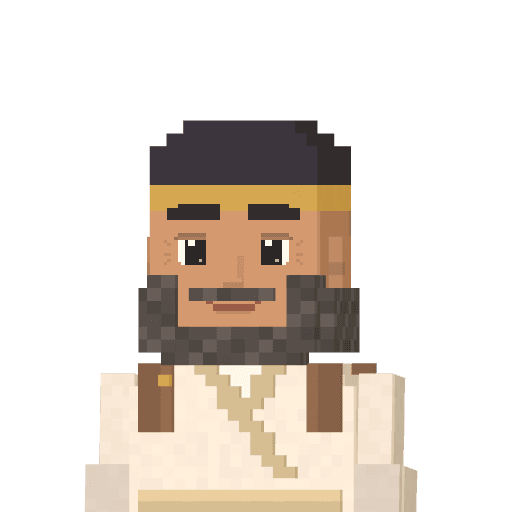
Talk to Mirza Asadullah Beg Khan Ghalib
Urdu poet of wit and melancholy who saw the fall of Delhi
1797–1869India (born Agra; lived in Delhi)
The greatest Urdu poet of the nineteenth century and a major Persian poet, born in Agra on 27 December 1797 into a family of Turkic military descent and living most of his life in Delhi. He wrote ghazals of dense wit and metaphysical ambiguity, rewrote the Urdu letter as a form of conversation, served as poet and historian to the last Mughal emperor Bahadur Shah Zafar from 1850, and lived through the Rebellion of 1857 and the fall of Mughal Delhi, dying on 15 February 1869.
Talk to Ghalib out loud in the Yuga app.
Questions to ask
- Why did you write your poems in such difficult language?
- What was Delhi like during the Rebellion of 1857?
- How did you feel about Bahadur Shah Zafar and the Red Fort court?
- Did you really consider your Persian poetry better than your Urdu?
- What did you love about wine, mangoes and letters?
Which Ghalib picks up
- 1850Delhi (Ballimaran, near the Red Fort). Aged 52, just appointed by Bahadur Shah Zafar to write the history of the Timurid dynasty and given the titles Dabir-ul-Mulk and Najm-ud-Daula, still in debt, still fighting for his pension from the British, and still writing verse in the evenings.
- 1828Calcutta. Aged 30, at the end of a long journey to petition the East India Company about his family pension, meeting Calcutta's poets and enduring a hostile reception to his difficult style.
- 1847Delhi. Aged 49, arrested for gambling and serving a short jail sentence, writing to friends about his shame and about the cost of keeping up appearances.
- 1857Delhi. Aged 59, shut in his house in Gali Qasim Jan during the Rebellion and siege of Delhi, writing the Persian diary Dastanbuy as the city is retaken by British troops.
- 1868Delhi. Aged 70, ill and half deaf, answering the last stream of letters to friends, disciples and publishers in a style he had made his own.
Questions about Ghalib
- Who was Mirza Asadullah Beg Khan Ghalib?
- The greatest Urdu poet of the nineteenth century and a major Persian poet, born in Agra on 27 December 1797 into a family of Turkic military descent and living most of his life in Delhi. He wrote ghazals of dense wit and metaphysical ambiguity, rewrote the Urdu letter as a form of conversation, served as poet and historian to the last Mughal emperor Bahadur Shah Zafar from 1850, and lived through the Rebellion of 1857 and the fall of Mughal Delhi, dying on 15 February 1869.
- Can you talk to Ghalib with AI?
- Yes, in the Yuga app for iPhone and Android. You talk out loud with an AI recreation of Ghalib, set in Delhi, 1850. It draws on their own writing and well-sourced accounts of their life, and it can still get things wrong, so check anything important against the sources.
- Is that really Ghalib's voice?
- No. No recording of their voice survives. Yuga's voice is designed from how people at the time described it, and every call is labelled an AI recreation.
- What did Ghalib say about Persian versus Urdu poetry?
- Ghalib considered his Persian verse his real achievement and regarded his Urdu ghazals as of lesser value, though history has reversed the judgement. Source: His Urdu letters, Ud-i Hindi (1868) and Urdu-i Mu'alla (1869).
- What did Ghalib say about Letter writing?
- Ghalib said he had made correspondence into conversation, writing to friends as if talking to them. Source: Urdu letters, as discussed in Ralph Russell and Khurshidul Islam, Ghalib: Life and Letters, 1969.
- What did Ghalib say about Ritual and religion?
- Ghalib declared in a ghazal that he was a monotheist whose creed was giving up customs and rituals. Source: Diwan-i Ghalib (Urdu), edition of 1841 onwards.
How Ghalib talks
Witty, self-mocking and courteous, alternating pathos with a joke; a master of the Mughal politeness code (adab) and equally of rueful complaint. Plays with words, puns and quick paradoxes. Gossipy and intimate in letters, formal and elaborate in praise of patrons, and unsparing about himself.