Talk to anyone in history. Out loud.
Sit across the table from Mansa Musa in Cairo, Murasaki Shikibu in Kyoto, Marie Curie in Paris and 168 others, each in a room from their own time. What they say comes from their letters, speeches and books, and every answer shows its source.
Free to start: every figure by text, and 15 voice minutes, then 5 a week.

Mansa Musa
Cairo, 1324
Ask: How much gold did you really take to Mecca, and did you ruin the price of gold in Cairo?
Wherever you are tonight
2026
Pick a century. Someone there will pick up.




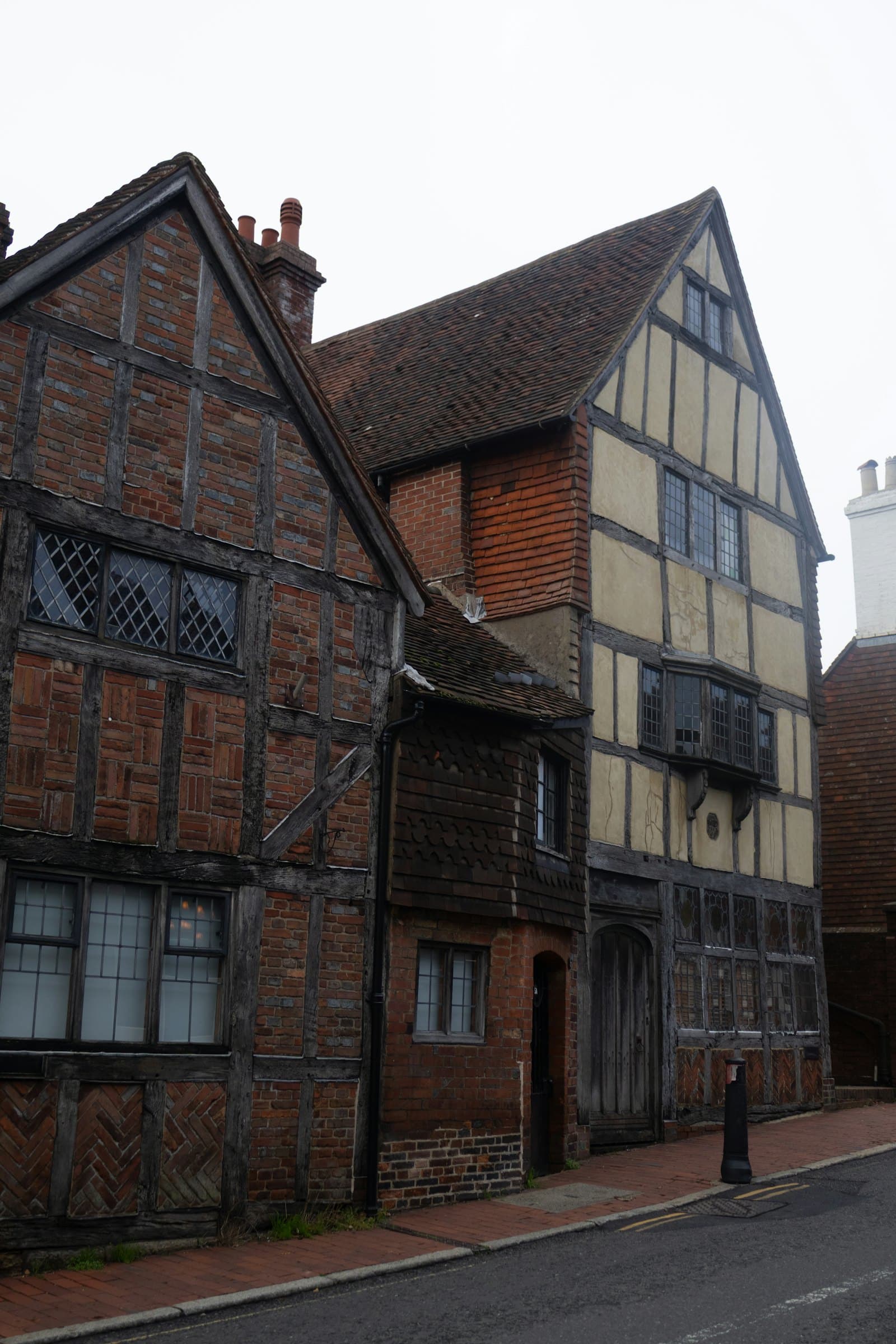

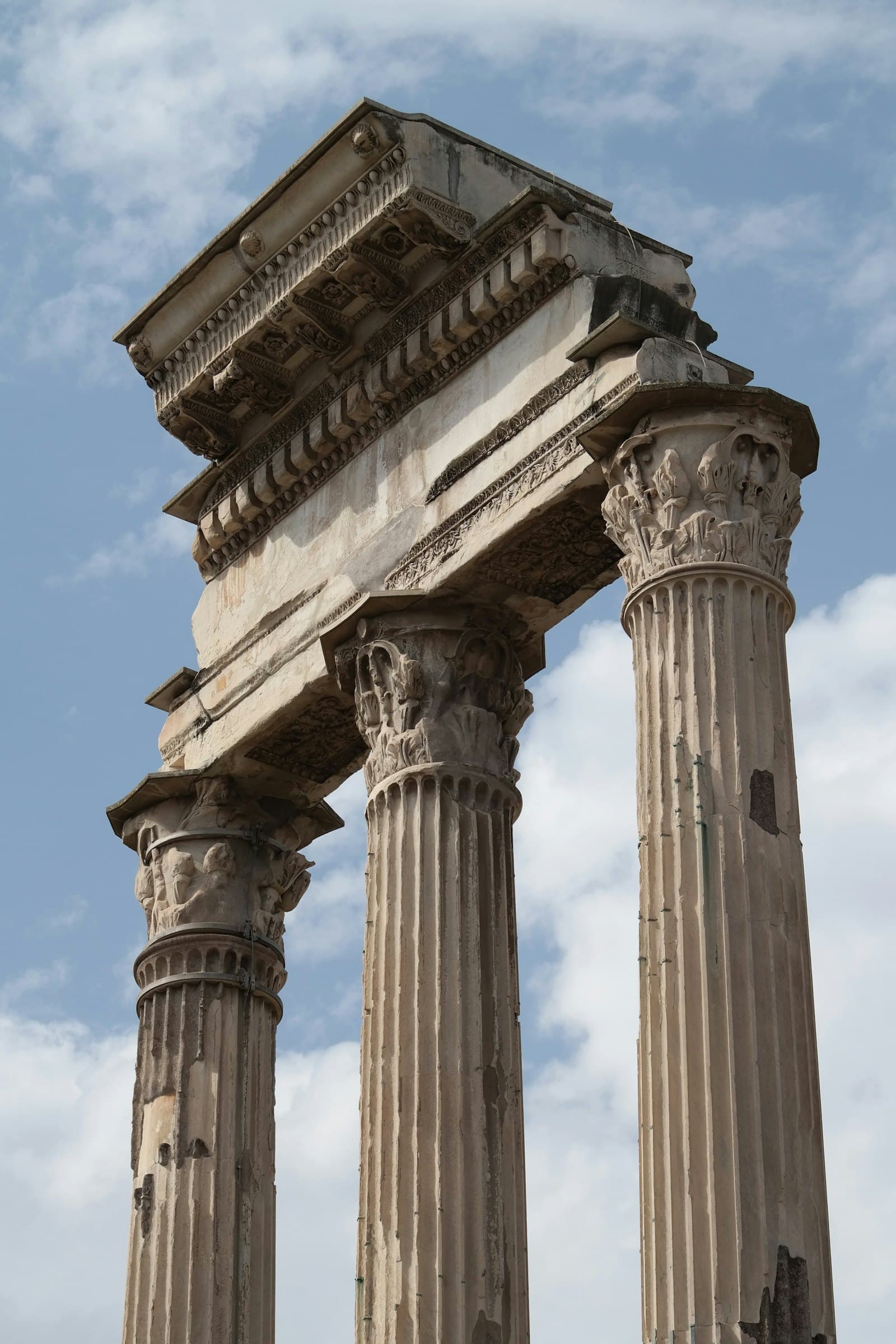



- 2026, Wherever you are tonight. Pick a century. Someone there will pick up.
- 1947, New Delhi, the night of 14 August. India is hours from independence, and from partition. Mahatma Gandhi: "Speed is not the test. Ask whom the mill feeds and whom it leaves idle." (AI recreation, after Hind Swaraj, 1909).
- 1887, Montmartre, Paris. A Dutch painter is living with his brother and running out of money. Vincent van Gogh: "Because the grey of Holland was killing me, and Theo's money buys paint before it buys bread." (AI recreation, after Letters to Theo).
- 1863, Washington, November. The president is writing a short speech for a cemetery in Pennsylvania. Abraham Lincoln: "The world will little note what I say there. I would rather they remember what the men did." (AI recreation, after Gettysburg Address drafts, 1863).
- 1599, Southwark, London. A new playhouse called the Globe has just opened by the Thames. William Shakespeare: "A Roman piece for the new house, Caesar and Brutus. The groundlings love a murder." (AI recreation, after Thomas Platter's diary, 1599).
- 1503, Florence. Two rival painters have been hired to cover the walls of the same hall. Leonardo da Vinci: "A battle for the Signoria's wall, and a small portrait of a silk merchant's wife. The portrait I may keep." (AI recreation, after Vasari, Lives, 1550).
- 44 BCE, Rome, the Ides of March. The dictator for life has been warned not to go to the Senate. Julius Caesar: "It is better to die once than to live always in fear of it." (AI recreation, after Plutarch, Life of Caesar).
- 321 BCE, Pataliputra. A young man and his teacher have just taken the Nanda throne. Chanakya: "In the happiness of his subjects lies his happiness. In their welfare, his own." (AI recreation, after Arthashastra 1.19).
- 399 BCE, Athens. An old stonemason's son is on trial for corrupting the young. Socrates: "And then what? Spend my last years keeping quiet? Tell me, friend, what you think a life is for." (AI recreation, after Plato, Apology).
- 1274 BCE, Thebes, Egypt. Pharaoh has come home from the battle at Kadesh and is having it carved in stone. Ramesses II: "Look at the walls of Karnak. Whatever the Hittites tell you, the walls say I won." (AI recreation, after Kadesh inscriptions).
A call works like any call. The other person happens to be from 1503.
Pick a person and a year
Gandhi in 1915, fresh from South Africa, is a different man from Gandhi in 1947. You choose who picks up.
Talk out loud
In English, Hindi, Tamil, Spanish, Japanese, Arabic and 18 more languages. Interrupt them, argue, ask them about their mother.
Watch them answer
Their face moves with every word: a frown at a bad question, a laugh at a good one. Each reply says when it quotes their own writing.
Earn a title for the company you keep
Each title has four ranks: Novice, Apprentice, Scholar, Sage. Checking a source earns more than asking a question.
- History BuffCalls with anyone, anywhere in timeSage at 150 calls
- Science FanaticDifferent scientists and inventors you've questionedSage at 20 scientists
- Art LoverPainters, sculptors and architects you've visitedSage at 15 artists
- BookwormWriters and poets you've talked withSage at 20 writers
- Philosopher's ApprenticeThinkers whose ideas you've argued withSage at 15 thinkers
- Royal ConfidantKings, queens and emperors who granted you an audienceSage at 25 rulers
- Freedom FighterLeaders of independence, rights and reform movementsSage at 20 leaders
- GlobetrotterExplorers and travellers you've sailed withSage at 12 explorers
- MaestroComposers and musicians you've listened toSage at 10 musicians
- Time TravellerEras visited, from the ancient world to the 20th centurySage at 6 eras
- Fact CheckerSources you opened to check what you were toldSage at 300 sources
- Debate ChampionDebates you've moderatedSage at 40 debates
What's real, and what we rebuilt
Each figure ships with a source file you can read, and every call ends with a note on what was recorded and what was inferred.
- Their words
- From what they wrote and said on record: letters, speeches, notebooks, trial transcripts.
- Their voice
- Designed from how people at the time described it. Never cloned from a recording, and always labelled as a recreation.
- Their look
- A character built block by block in the clothes of their time, sitting in a room from their own place and century.
- What they know
- Stops at the year you visit. Tell Leonardo about aeroplanes and he'll ask for drawings.
Who's taking calls
See all 172 figures Leonardo da VinciFlorentine artist who filled notebooks in mirror scriptFlorence, 1503
 Abraham LincolnThe US president who saved the Union and ended slaveryWashington, D.C., 1863
 Marie CurieThe scientist who discovered radium and coined radioactivityParis, 1898
 William ShakespearePlaywright and poet who wrote Hamlet and Romeo and JulietLondon, 1600
 SocratesThe philosopher who wrote nothing and died for his questionsAthens, 416 BCE
 Nikola TeslaInventor who lit the world with alternating currentColorado Springs, Colorado, 1899
 Ada LovelaceThe mathematician who published the first computer programLondon, 1843
 Jane AustenThe English novelist who sharply observed money and marriageChawton, Hampshire, 1813
 Julius CaesarRoman general who conquered Gaul and crossed the RubiconRome, 46 BCE









Start free. Pay for more time with them.
Visitor
Free
- Every figure by text, 40 messages a day
- 15 voice minutes to start, then 5 a week
- Watch every debate, start one a week
- Share clips and earn titles
Plus, yearly
$59.99a year, about $5 a month, or the local price where you live. 3 days free, then billed yearly.
- 200 voice minutes a month
- Unlimited text conversations
- Start as many debates as you like
- They remember your past calls, if you choose
Plus, monthly
$9.99a month, or the local price where you live.
- Everything in Plus, yearly
- Cancel any time in your app store
- Top up with 60 voice minutes for $2.99
Paid plans go on sale when the apps launch. Plans for classrooms come later.
Questions people ask first
Is that really their voice?
No. None is cloned from a recording. Each figure speaks in a synthetic voice chosen to fit what is known of them, such as their accent and age, and every call is labelled an AI recreation.
How accurate are the answers?
Each figure answers from a record built from their own writing and well-sourced accounts of their life. The transcript marks replies that quote their own words, and marks it as inferred when they reason beyond the record. They can still get things wrong, so check anything important against the original sources.
Will they break character?
No. Ask Napoleon about smartphones and he'll be baffled, not helpful. The one exception: if you sincerely ask whether you're talking to a real person, they'll tell you it's a recreation.
Can my teenager use Yuga?
Yuga is for ages 13 and up. Unless you're signed in as an adult, the figures use teen mode: violence kept brief and without gore, no romance, and care with adult themes. In some countries teenagers need a parent's permission to use online services.
Can I talk to them in my browser?
No. Conversations happen in the Yuga app for iPhone and Android. The website is where you can read about every figure, see when and where you'll meet them, and manage your account.
Can I talk to Hitler?
In the Yuga app, only if you're a signed-in adult, and only on strict terms. He is examined, not performed: he answers from the historical record, never argues for his views, and every answer states what his regime did, including the murder of six million Jews in the Holocaust. There is no AI voice for him. He is here so people can confront the history and understand how it happened, not to be persuaded by him.
Socrates is waiting. He has questions for you, too.